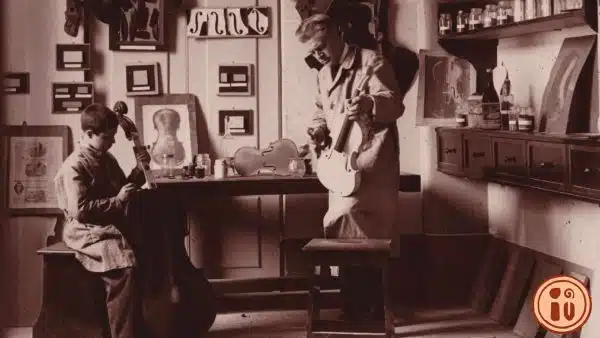
The origins of Cremonese violin making

The Origins of Cremonese Violin Making

cremona violin online

The Origins of Cremonese Violin Making

The origins of Cremonese violin making

From Folk Roots to Orchestral Fame: The Rise of the Violin

The violin, now a universal musical icon, didn’t emerge overnight. Its origins trace back to medieval Europe, shaped by a medley of bowed instruments like the Arabian rabab, the rebec of Spain, and the French vielle. Though each had distinct features, together they laid the groundwork for the expressive and agile instrument we know today.

The Birth of the Violin in Italy

It was in 16th-century northern Italy, particularly in the city of Cremona, that the violin began to take its modern form. Andrea Amati, a pioneering luthier from Cremona, played a central role. Commissioned in the 1560s by Catherine de Médicis to create instruments for the French royal court, Amati helped formalize the violin’s design. His creations featured a wooden soundbox, elegantly carved f-holes, and four strings tuned in perfect fifths, elements still standard today.

The Legacy of Cremonese Violin Making

Amati’s legacy continued through his descendants, especially his grandson Nicolò Amati, who perhaps mentored future masters like.

As orchestras evolved, so did the violin’s role

Composers like Monteverdi, Vivaldi, Haydn, and Paganini pushed its boundaries, cementing its place at the heart of Western classical music. Innovations in the late 18th and 19th centuries, such as François Tourte’s standardized bow and the invention of the chin rest, further enhanced its capabilities and comfort.

Today, the violin is not only revered for its sound but for its symbolic stature. The “concertmaster,” or first-chair violinist, leads the string section and tunes the orchestra, a nod to the instrument’s prestige and power.

From medieval court performances to modern concert halls, the violin’s journey reflects a rich blend of tradition, innovation, and emotional resonance that continues to captivate players and audiences alike.

Renato Scrollavezza A Life Dedicated to the Art of Italian Violin Making

Renato Scrollavezza: The Legacy of Violin Making

cremona violin online

Renato Scrollavezza: The Legacy of Violin Making

Renato Scrollavezza A Life Dedicated to the Art of Italian Violin Making

Among the great names in 20th and 21th century violin making, Renato Scrollavezza stands out as a luthier who dedicated his life to refining and transmitting the art of the Italian violin. Born in 1927, he began his journey into the craft at the end of the 1940s, teaching himself the principles of violin construction with determination and discipline. From these modest beginnings, he developed into one of the most respected violin makers of his generation.
You can read more about his life and work in the official Wikipedia entry on Renato Scrollavezza.

Scrollavezza drew inspiration from the classical Italian tradition, particularly the models of the great Cremonese masters. Over time, however, he developed a distinctly personal style, both in form and in character. His instruments, whether violin, viola, or cello, stand out for their clean workmanship, full archings, and carefully studied proportions. The aesthetic of his work is never excessive, but always balanced and refined.

Renato Scrollavezza’s contribution to violin making goes beyond his own bench. In 1975, he established and directed the Parma School of Violin Making, a public institution that has trained generations of new luthiers. His commitment to teaching ensured that the values of precision, respect for tradition, and artistic integrity would be passed on. Through this work, he became a reference point in the world of violin making not only in Italy but internationally.
Our own atelier in Parma continues this tradition today. You can discover more about our philosophy and legacy on the About page of Iotti Vibe.

His instruments reflect the seriousness of his craft. Each fine violin he made reveals a deep understanding of acoustics and form. For musicians searching for an Italian violin with character and clarity, his work offers both visual elegance and tonal richness.
This pursuit of tonal richness and elegance lives on in our own creations, such as the Violin Inspired by G.B. Guadagnini and the Giubilo Personal Model by Pietro Iotti.

Though he passed away in 2019, his legacy continues through both his instruments and the many violin makers he taught and influenced here amongst ourselves. His life reminds us that the work of a dedicated luthier is not only about crafting instruments, but about shaping the future of the art itself.
Inspired by this heritage, our Violin Personal Model is a tribute to the values of refinement, precision, and acoustic excellence that Scrollavezza so deeply embodied.


Ansaldo Poggi A Master Luthier

Discover Ansaldo Poggi Violins

cremona violin online

Discover Ansaldo Poggi Violins

Ansaldo Poggi A Master Luthier

Ansaldo Poggi (1893–1984) was a celebrated Italian violin maker whose career spanned much of the 20th century. His work is an exemplary continuation of the Cremonese violin tradition, marked by a deep respect for classical forms and an unwavering pursuit of tonal perfection.

Poggi trained under the guidance of established masters early in his career, which grounded him in the classical methods of violin making. Over time, he developed his own distinct style, carefully balancing historical inspiration with his personal touch. His instruments are known for their harmonious proportions and the elegant curvature of their plates, showcasing a mastery of form and function that every luthier strives to achieve.
A similar approach, rooted in tradition but refined through personal interpretation, can be seen in our own Violin inspired by G. Sgarabotto.

The varnish applied by Poggi is particularly notable often a warm golden-yellow or rich amber, that highlights the fine-grained maple and spruce he selected with great care. This attention to materials is essential for producing the bright, focused sound his violins are known for, a sound that appeals to soloists and orchestral musicians alike.
We explore similar tonal goals in our handcrafted Violin inspired by G.B. Guadagnini.

His models frequently draw from Stradivari’s influence but are not mere replicas. Poggi’s violins display subtle individuality in arching and scroll carving, demonstrating his skill and artistry beyond imitation.
This philosophy of respectful reinterpretation also inspired our work on the Violin in antique style inspired by G. Ornati.

His contributions continue to shape the landscape of Italian violin making and inspire players who value both tradition and excellence.
One such story of Italian lutherie and its deep connection to place and heritage can be found in our article on Guadagnini’s legacy and the Cinque Terre.
To learn more about Poggi’s life and his place in Italian violin making, you can visit his Wikipedia entry.

Gaetano Sgarabotto An Italian Luthier

Gaetano Sgarabotto An Italian Luthier

cremona violin online

Gaetano Sgarabotto An Italian Luthier

Gaetano Sgarabotto An Italian Luthier

Gaetano Sgarabotto (1878–1959) holds a prominent place among Italian violin makers, known for bridging historic Cremonese traditions with 20th-century violin craftsmanship.

Born in Vicenza, Sgarabotto’s career began in the early 1900s after apprenticeships that immersed him in the legacy of Italian violin making.

Throughout his professional life, Sgarabotto worked in several key Italian cities, including Milan and Parma. This geographic journey influenced his style and access to materials, evident in the subtle variations across his violins. His instruments often reference the works of Stradivari and Guarneri but are recognisable for their distinctive arching and varnish techniques. The varnish colours range from golden amber to deeper reddish hues, applied with a skill that emphasises the natural grain of the wood.
A tribute to this lineage can be seen in our own Violin inspired by G. Sgarabotto – Contemporary Model.

Sgarabotto’s violins are appreciated not only for their aesthetic qualities but also for their tonal character. They offer a warm, rich sound with clarity and projection suitable for both solo performances and orchestral settings. This makes them valued additions within auction houses and stores catering to discerning musicians.
For players and collectors alike, understanding what makes violins so valuable can help put Sgarabotto’s craftsmanship in broader perspective.

Beyond violin making, Sgarabotto’s influence extended to restoration and education. His work in restoring precious instruments contributed to preserving the Italian violin legacy, while his role as a teacher ensured that traditional skills were passed on to future generations of luthiers.
Among his most notable pupils was Renato Scrollavezza, who continued this tradition and helped shape modern Italian violin making.

Choosing an instrument from a reputable violin maker o shop that honours this heritage means investing in a fine violin with both musical and historical value.
We explore this topic further in our guide on choosing a contemporary instrument, where tradition meets today’s needs for sound and reliability.

Gaetano Sgarabotto’s legacy continues to inspire appreciation for the skill and passion that define Italian violin making.
His life and work, together with those of his son Pietro, are well documented in this Wikipedia entry.


The Life and Work of Giuseppe Ornati

Giuseppe Ornati: 20th Century violin maker

cremona violin online

Giuseppe Ornati: 20th Century violin maker

The Life and Work of Giuseppe Ornati

Giuseppe Ornati (1887–1965) was one of the most important Italian violin makers of the 20th century, whose work represents a remarkable continuation of the Cremonese violin making tradition.

Ornati’s journey into violin making began in the early 1900s, when he trained under Leandro Bisiach, one of the great restorers and makers of the time. This apprenticeship deeply influenced Ornati’s approach, instilling in him a reverence for the classical Cremonese models crafted by masters like Stradivari and Guarneri. Ornati’s instruments often echo these historical references in both design and tonal qualities.

Between the 1910s and the 1950s, Ornati’s production reflected his constant search for refinement and perfection. His violins are celebrated for their precise craftsmanship and careful selection of materials. He favored elegant, well-proportioned forms, typically inspired by the Amati and Stradivari models, with a subtle yet rich varnish ranging from golden-yellow to a warm reddish-brown.
This inspiration lives on in our own violin inspired by G. Ornati and the more recent Premura model, which reinterprets his stylistic legacy in a contemporary context.

Ornati was known for balancing tradition and his own artistic interpretation. While his instruments maintain the high standards of the Cremonese school, he introduced slight personal touches in the scroll carving and arching that distinguish his work from mere copies.
This approach of blending heritage with individuality is also explored in our article on choosing a contemporary instrument.

His violins exhibit a clear, powerful sound with excellent projection, highly appreciated by soloists and orchestral musicians alike. This tonal excellence, combined with his refined workmanship, has made Ornati’s violins prized instruments for professional players and collectors searching for a fine violin.
Violin makers such as Renato Scrollavezza continue this commitment to excellence, drawing from masters like Ornati while forging their own path.

His instruments can be found in various auction houses internationally, and those seeking to buy instruments with historical significance often look to makers like Ornati for their blend of tradition, artistry, and sound quality.

Giuseppe Ornati’s legacy is a testament to the enduring prestige of Italian violin making. His instruments continue to embody the artistry and skill of a luthier who dedicated his life to perfecting the violin.
For more on his life and influence, visit the Wikipedia entry on Giuseppe Ornati.


What Makes a Stradivarius Violin So Special

What Makes a Stradivarius Violin So Special?

cremona violin online

What Makes a Stradivarius Violin So Special?

What Makes a Stradivarius Violin So Special

A Look Into Craftsmanship and Legacy

In the world of fine violins, few names carry as much weight as Antonio Stradivari. His instruments have fascinated musicians, collectors, and violin makers for centuries. For anyone visiting visiting a violin maker or exploring violins for sale, understanding what makes a Stradivarius violin exceptional can offer valuable insight into why these instruments continue to command such admiration, and extraordinary prices.

If you’re curious about how his legacy lives on today, you can discover our modern violin inspired by Stradivari, or take a closer look at the Lilia violin model that captures the elegance of his craftsmanship.


Who Was Antonio Stradivari?
Antonio Stradivari, born around 1644 in Cremona, Italy, was one of the most celebrated violin makers in history. Over a long and prolific career, he crafted violins, violas, cellos, and other stringed instruments, many of which survive today as treasured examples of the Italian violin-making tradition.
You can read more about his life and influence on violin making in this biographical overview.

Stradivari’s instruments span several periods, with his “Golden Period” from roughly 1700 to 1720 often considered his peak. During this time, he produced some of the finest violins ever made, admired for their balance of beauty and acoustic excellence.

The Craftsmanship of a Stradivarius
One of the defining qualities of a Stradivarius violin is the extraordinary skill involved in its creation. Stradivari paid meticulous attention to every detail, from arching the plates of the violin to carving elegant f-holes.

  • Arching and Shape: The arching of the top and back plates contributes significantly to the violin’s tone and projection. Stradivari’s models often display graceful outlines and carefully calculated curves.
  • F-Holes: Stradivari’s f-holes are precise and elegantly shaped, influencing both aesthetic beauty and acoustic performance.
  • Edgework and Purfling: Even small details like the purfling (the inlaid border around the violin’s top and back) reflect Stradivari’s refined craftsmanship.

Modern violin makers continue to study these design elements, hoping to capture the qualities that give a Stradivarius its remarkable sound.
We explored these distinctive features in more detail in our article: What Makes Violins So Valuable?


The Role of Materials
A fine violin’s sound relies heavily on the quality of its materials. Stradivari chose exceptional tonewoods, most often spruce for the top plate and maple for the back, ribs, and scroll.

These woods were carefully seasoned and selected for their grain, density, and resonance. This attention to materials contributes to the vibrant, clear, and powerful sound for which Stradivarius violins are known.

Many experts believe Stradivari’s varnish also plays a significant role in shaping the instrument’s tonal qualities. The exact recipe remains a subject of debate and fascination among violin makers and historians.

The Sound of a Stradivarius
A Stradivarius violin is renowned for its unique tonal characteristics:

  • Clarity and Projection: The sound carries effortlessly in both intimate settings and large concert halls.
  • Complexity of Tone: Players often describe a Stradivarius as having depth and color, capable of producing both bright and warm tones.
  • Responsiveness: These violins respond quickly to the player’s touch, offering nuanced control over dynamics and expression.

Such qualities make these instruments highly desirable for professional musicians who seek an instrument that matches their artistic demands.

Rarity and Value
Another factor that makes a Stradivarius violin special is its rarity. Of the estimated 1,100 instruments Stradivari made during his lifetime, only around 600 survive today, including violins, violas, and cellos.

Because of their historical significance, craftsmanship, and legendary sound, these instruments often achieve extremely high prices when they appear as violins for sale. For collectors and musicians alike, owning a Stradivarius represents both a profound musical experience and a piece of cultural history.

Influence on Modern Violin Making
The legacy of Stradivari continues to inspire today’s violin makers. Many luthiers study original Stradivari instruments to replicate aspects of their construction and acoustics. Even if you’re exploring a modern fine violin, there’s a strong chance its design has been influenced by Stradivari’s principles.

Our own Stradivari-inspired violins are designed to capture these essential traits while meeting the demands of modern players.

Musicians seeking to buy a violin often find that instruments modeled after Stradivari’s work can offer excellent tonal balance and playability, even if they are not original antiques.

Stradivari’s genius lives on not only in the instruments he left behind but also in the continued work of violin makers and luthiers striving to capture the magic of his designs. Whether you’re visiting a violin store, looking at violins for sale, or dreaming of owning a fine violin someday, the story of Stradivari remains a benchmark for craftsmanship and artistry in the world of string instruments.

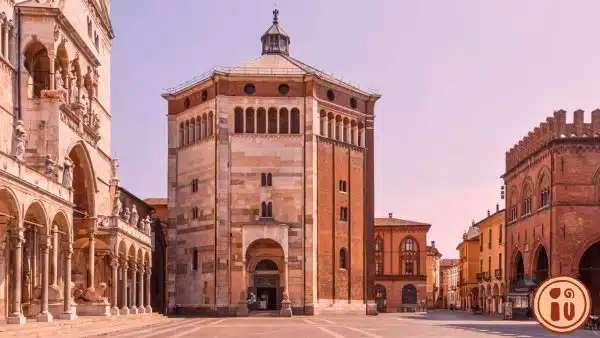
The Legacy of Guarneri del Gesù

The Legacy of Guarneri del Gesù

cremona violin online

The Legacy of Guarneri del Gesù

The Legacy of Guarneri del Gesù

Why His Violins Inspire Makers and Musicians Alike

In the world of fine violins, few names carry as much weight as Guarneri del Gesù. His instruments are celebrated for their powerful sound and unique character, making them sought after by both violinists and modern violin makers. Whether you’re browsing a violin shop, working with a luthier, or considering a fine violin for sale, understanding the legacy of this remarkable craftsman offers insight into why certain violins hold such enduring appeal.
For a deeper dive into instruments inspired by Guarneri del Gesù, you can explore our Pincio Violin inspired by Guarneri del Gesù and other Guarneri-inspired models.


Who Was Guarneri del Gesù?
Bartolomeo Giuseppe Guarneri, known as “del Gesù,” was born into the famous Guarneri family of Cremona, Italy. Active primarily between the 1720s and his death in 1744, he created some of the world’s most revered violins.

Unlike the more refined style often associated with other makers of the Italian violin tradition, Guarneri del Gesù’s instruments display a bold and sometimes rugged approach. His work is admired for its individuality, with noticeable variations in f-hole shapes, arching, and outlines from one violin to the next.
For a comprehensive biography, see the Wikipedia page on Giuseppe Guarneri.

The Sound That Sets His Instruments Apart
One of the primary reasons musicians and collectors value Guarneri del Gesù’s violins is their powerful, dark, and complex tone. These instruments often possess a strong lower register and remarkable projection, qualities that make them ideal for solo performance.

Many violinists feel that playing a Guarneri del Gesù allows them to produce a wide palette of tonal colors. Even centuries after his passing, his violins continue to influence how modern makers and luthiers approach crafting a fine violin.
Modern makers such as Renato Scrollavezza draw inspiration from Guarneri’s sound principles.


Characteristics of Guarneri del Gesù’s Work
Several distinct traits are often noted in Guarneri del Gesù’s violins:

  • Robust Arching: His instruments typically feature full arching, which contributes to their rich, powerful sound.
  • Unique F-Holes: The f-holes are frequently broader and more expressive, sometimes differing significantly from one instrument to another.
  • Compact Design: Many of his violins are slightly shorter in length, which some players feel makes them highly responsive.
  • Varnish: His varnish ranges from deep reddish-brown to golden hues, adding to the allure of each instrument.

If you want to understand what to look for in a contemporary musical instrument influenced by such masters, check our detailed FAQ guide.
These characteristics distinguish his work from other prominent Italian violin makers of his time.


Influence on Modern Violin Makers
Guarneri del Gesù’s instruments have become a significant source of inspiration for contemporary violin makers around the world. Many luthiers study his models to learn how to create violins with powerful projection and tonal depth.

Today, numerous makers craft instruments modeled after Guarneri del Gesù’s dimensions, arching, and f-hole styles. For players looking to buy a violin with similar tonal qualities, modern interpretations of his designs can be found in many ateliers.

The Rarity and Value of His Violins
Original Guarneri del Gesù violins are among the rarest and most valuable instruments in existence. Fewer than 200 of his instruments are believed to survive today, making each one a treasure.

Collectors and musicians alike prize these violins not only for their sound but also for their historical significance. As a result, any fine violin bearing his name can command significant prices on the market.

What This Means for Today’s Players
For musicians exploring violins for sale, the legacy of Guarneri del Gesù highlights how individual makers can profoundly influence the art of violin making. His instruments remind us that a fine violin is not merely a tool but an expression of craftsmanship and artistic vision.

Whether you’re searching for an Italian violin, consulting with a skilled luthier, or visiting a violin store, understanding what sets Guarneri del Gesù’s instruments apart can guide you toward an instrument that resonates with your own musical voice.


Stradivari Guarneri Amati

What Makes Stradivari, Guarneri, and Amati Violins Unique?

cremona violin online

What Makes Stradivari, Guarneri, and Amati Violins Unique?

Stradivari Guarneri Amati

Who was Niccolò Amati and what defines his violins?

When it comes to violin making, three names echo through time: AmatiGuarneri, and Stradivari. Emerging from Cremona, Italy, these luthiers shaped not only the instrument itself but the very nature of its voice.

The story begins with Niccolò Amati, whose instruments are recognized for their graceful architecture and refined tone. His violins often featured elongated corners, meticulous purfling close to the edges, and arching that gave the instruments a warm, sweet resonance. Amati’s varnishes ranged from golden amber to deeper red hues, giving his creations a visual richness that matched their tonal elegance.

How did Giuseppe Guarneri del Gesù change violin making?

In contrast, Giuseppe Guarneri del Gesù brought boldness and experimentation into violin making. His models were less conventional, shorter in length but with fuller outlines, flatter arching, and thicker backs. The f-holes were stretched and often uneven, giving his violins a raw, distinctive character. Despite their rougher appearance, Guarneri’s instruments are known for their powerful, deeply expressive sound, favored by legendary soloists like Paganini.

What innovations did Antonio Stradivari introduce?

Antonio Stradivari, perhaps the most celebrated of them all, combined finesse with innovation. His instruments evolved over time, becoming longer and more robust, the famed “Long Strads” of the early 1700s. He gradually shifted to darker, richer varnishes and introduced sharper corners and refined outlines. Stradivari’s violins are prized for their brilliant projection and balanced tone, making them ideal for modern concert settings.

What legacy did these masters leave behind?

Each of these makers left a unique legacy: Amati for refinement, Guarneri for intensity, and Stradivari for perfection in form and function. Their influence continues to guide violin makers and captivate musicians, centuries after their last instruments were built.

Giovanni Battista Guadagnini violin maker

How Did Giovanni Battista Guadagnini Become a Legendary Violin Maker?

cremona violin online

How Did Giovanni Battista Guadagnini Become a Legendary Violin Maker?

Giovanni Battista Guadagnini violin maker

Why is Giovanni Battista Guadagnini considered a renowned violin maker?

Giovanni Battista Guadagnini is celebrated as the foremost violin maker of the late 18th century. His reputation wasn’t built overnight, it grew over 44 years of relentless work, experimentation, and an evolving style that spanned multiple cities and markets across Italy.

Did Giovanni Battista Guadagnini learn from his father or create his own path?

Although early labels claim Guadagnini trained under his father Lorenzo Guadagnini, evidence suggests Lorenzo may not have been a luthier at all, but rather an innkeeper. Regardless, by the early 1740s, Guadagnini was actively crafting instruments in Piacenza. These early works already hinted at his unique aesthetic, elegant materials and a warm reddish-orange varnish. His interest in cello making flourished here, likely influenced by cellist Carlo Ferrari. Notably, Guadagnini’s cellos diverged from Stradivari’s popular “forma B” by being slightly shorter, but broader and deeper, an innovation possibly inspired by Montagnana.

What changed in his craft during the Milan years?

By 1749, he had followed Ferrari to Milan. There, Guadagnini’s craft matured, with instruments showcasing vibrant red varnish and increasingly individual design. Though he briefly labeled some of his 1758 violins as Cremonese, it’s unclear whether he had real ties to the famed violin-making city. These so-called “Cremona” violins still bore the hallmarks of his Milanese period but used a softer, more yellow-orange finish.

How did his Parma period influence his style?

In 1759, Guadagnini relocated again, this time to Parma, drawn by Ferrari’s appointment to the Duke of Bourbon’s court. Instruments from this 12-year chapter featured local oppio maple, more pronounced archings, and a richer, darker varnish.

What was Giovanni Battista Guadagnini’s legacy in Turin?

His final and perhaps most influential move came in 1771 to Turin, where his partnership with Count Cozio di Salabue introduced him to Stradivari’s original workshop materials. This exposure led Guadagnini to embrace Stradivari’s models more closely, marking a late-career refinement in both form and finish.

Why does Giovanni Battista Guadagnini’s work still matter today?

Through adaptability, innovation, and unmatched artistry, Guadagnini carved out a legacy that remains vital to violin history.

Discover our Inspired Guadagnini quintet collection.