


What Makes Violins So Valuable?
A Closer Look at Cost and Craftsmanship
Many musicians, whether beginners or seasoned performers, have at some point wondered why violins can carry such significant price tags. The answer lies in the complex blend of craftsmanship, materials, and artistry that goes into each instrument. Whether you’re browsing a violin shop, consulting a luthier, or considering a fine violin for sale, understanding these factors deeply can be aided by exploring the role of collectors in the world of fine instruments, who often influence market value and appreciation.
The Role of Craftsmanship
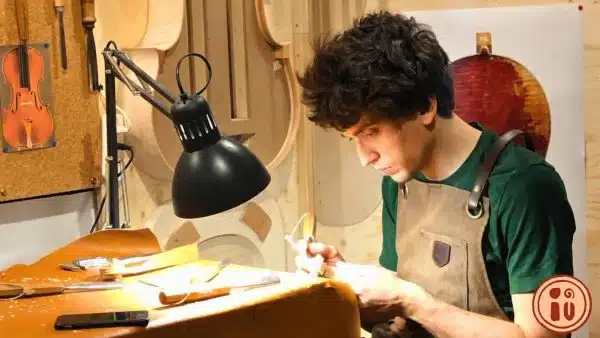
One of the main reasons violins can command high prices is the expertise and time invested by the violin maker. Each fine violin is shaped, carved, and finished largely by hand. From the careful selection of wood to varnishing techniques, the detailed process is well illustrated in our feature on making an instrument from wood to varnishing.
A fine Italian violin, or any violin built by hand, involves intricate work that affects tone, projection, and playability. Even subtle variations in the arching of the wood or the thickness of the plates can influence how a violin sounds.
For example, our violin inspired by G.B. Guadagnini contemporary demonstrates modern interpretations of these classical techniques.
Quality of Materials
A significant portion of a violin’s cost is driven by the quality of materials used. Fine violins often feature spruce for the top and maple for the back, sides, and neck. The wood is carefully chosen for its density, grain, and resonance properties.
Certain trees grow in regions with specific climates that produce wood ideal for violin making. This wood is aged for several years, sometimes decades, to ensure stability and optimal tonal qualities. Such careful material selection contributes to the higher cost of a fine violin.
The Time Factor
Creating a fine violin is not a fast process. A violin maker may spend several months building a single instrument. This level of dedication, combined with years of training and experience, adds to the price. Discover more about the traditional and contemporary violin making process in our violin inspired by G.B. Guadagnini.
Acoustic Performance and Artistic Value
Beyond materials and labor, the sound of a violin plays a huge role in its price. Fine violins are prized for their tonal range, projection, and responsiveness. Musicians are often willing to invest more in an instrument that allows them greater expression and dynamic control.
Proper setup is also crucial for unlocking an instrument’s full potential, as explained in our guide on the importance of violin setup.
Additionally, a violin’s aesthetic qualities, such as the beauty of the varnish and the elegance of its shape, contribute to its value. For many players and collectors, a violin is not just an instrument but also a piece of art.
Rarity and Historical Significance
Historical violins, especially those crafted centuries ago by master luthiers, are often among the most expensive instruments in the world. Their scarcity, condition, and provenance drive prices into the millions.
An insightful article about why Stradivarius violins are so special and expensive offers context on this rarity and value.
While not every violin for sale reaches such figures, even modern fine violins can carry significant value due to their craftsmanship and the reputation of the violin maker. This is especially true for contemporary makers whose instruments are gaining recognition and appreciation.
What This Means for Buyers
For musicians considering buying a violin, understanding why violins are expensive can help in making a wise choice. Whether you’re exploring a violin shop, searching for an fine instrument by italian violin making tradition, or browsing our main shop, remember that the price reflects more than just the physical object, it encompasses skilled artistry, premium materials, and acoustic excellence.
When looking at violins for sale, take time to compare instruments, play them, and seek advice from a knowledgeable luthier. Investing in a quality violin can be a lasting decision that deeply influences your musical journey.


