


Is Your Old Violin Worth Repairing?
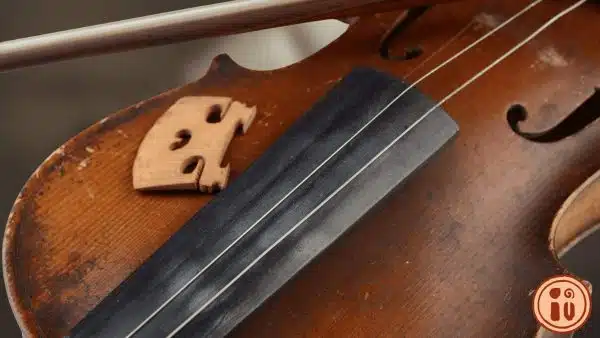
Many musicians find themselves in possession of an old instrument, may a family heirloom, and wondering whether it’s worth investing in repairs. Perhaps it’s an inherited instrument, one discovered in a closet, or simply a violin that has been your companion for years. Deciding what to do next can be challenging in our FAQs we address many common doubts musicians face when dealing with old instruments. Visiting a workshop, or speaking with a skilled violin maker can help you understand the true condition and potential of your instrument.
Assessing the Condition of Your Violin
A good quality instrument can often be restored even after years of neglect, but some damage may be too severe or costly to justify repairs. Here are some factors to examine:
- Cracks and Structural Damage: Small cracks, especially on the top plate, are common and usually repairable. However, significant structural damage, such as a cracked back plate or major deformation, may be more complex and costly to fix.
- Neck and Fingerboard Issues: A broken neck is quite a big repair although possible, but costs can vary depending on the extent of the work needed. A worn down fingerboard is much easier to either reshape or replace.
- Pegs, Bridge, and Setup: Worn pegs, a damaged bridge, or an outdated setup can be addressed by a luthier. These issues often have a noticeable impact on how the violin sounds and feels.
- Seam Openings: Open seams where parts of the instrument separate slightly are common, especially in older violins do to temperature and humidity changes. These can usually be repaired without excessive expense.
Read more about why setup matters and how it impacts playability and sound.
Considering the Value and Sentiment
When deciding whether to repair your violin, think about both financial and personal value.
- Monetary Value: Not every old violin is necessarily highly valuable. A violin maker or expert in a shop can help assess whether your instrument is worth significant investment.
- Sentimental Value: Even instruments with modest market value may hold deep personal significance. In such cases, the decision to repair may be driven more by emotion than financial return.
On forums like Violinist.com, players often share stories of restoring old instruments that held deep family meaning, even when their market value was limited.
Sound Quality and Playability
Sometimes an old violin may look worn but still produce an excellent tone, or have the potential to sound beautiful after proper restoration.
If your violin has an appealing sound or the qualities of a good quality instrument, investing in repairs might be worthwhile, especially if it will save you from needing to buy a violin of similar quality. Testing the instrument, even in its current state, can help you judge whether it’s worth restoring.
Getting Professional Advice
Before deciding, it’s wise to take your violin to a trusted luthier or violin shop. Professionals can identify hidden problems, estimate repair costs, and advise whether repairs make economic and musical sense. They can also help you compare repair costs to the price of a similar violin for sale. For example, you may find that purchasing a contemporary violin offers better value than restoring a severely damaged instrument.
A skilled violin maker can offer insight into whether your instrument is a good candidate for restoration and what kind of sound and value you might expect afterward.
Balancing Costs and Benefits
Repairs range from minor adjustments to significant restoration projects. It’s important to weigh the estimated costs against the instrument’s potential value, whether monetary, musical, or sentimental.
If the cost of restoring your old violin is higher than purchasing a comparable instrument, you may decide to buy a violin instead.
If restoration seems excessive, browsing our main shop may help you explore alternatives in excellent condition.
However, if your violin has unique tonal qualities or personal significance, the investment in repairs might be justified.
Conclusion
Choosing whether to repair an old violin is a personal and practical decision. By consulting with a luthier or visiting a reputable violin shop, you can gain clarity about your instrument’s condition and future potential.
To understand how our work is deeply rooted in tradition and location, you can learn more about our quintet project Cinque Terre.
Whether it’s a fine instrument, a cherished family heirloom, or simply a violin you’ve grown attached to, careful evaluation ensures you make the best choice for your music and your budget.


