From Folk Roots to Orchestral Fame: The Rise of the Violin
The violin, now a universal musical icon, didn’t emerge overnight. Its origins trace back to medieval Europe, shaped by a medley of bowed instruments like the Arabian rabab, the rebec of Spain, and the French vielle. Though each had distinct features, together they laid the groundwork for the expressive and agile instrument we know today.
The Birth of the Violin in Italy
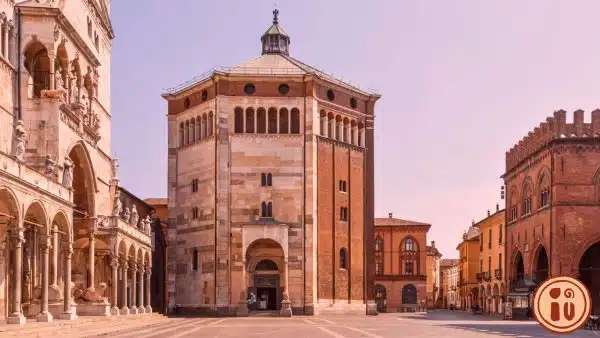
It was in 16th-century northern Italy, particularly in the city of Cremona, that the violin began to take its modern form. Andrea Amati, a pioneering luthier from Cremona, played a central role. Commissioned in the 1560s by Catherine de Médicis to create instruments for the French royal court, Amati helped formalize the violin’s design. His creations featured a wooden soundbox, elegantly carved f-holes, and four strings tuned in perfect fifths, elements still standard today.
The Legacy of Cremonese Violin Making
Amati’s legacy continued through his descendants, especially his grandson Nicolò Amati, who perhaps mentored future masters like.
As orchestras evolved, so did the violin’s role
Composers like Monteverdi, Vivaldi, Haydn, and Paganini pushed its boundaries, cementing its place at the heart of Western classical music. Innovations in the late 18th and 19th centuries, such as François Tourte’s standardized bow and the invention of the chin rest, further enhanced its capabilities and comfort.
Today, the violin is not only revered for its sound but for its symbolic stature. The “concertmaster,” or first-chair violinist, leads the string section and tunes the orchestra, a nod to the instrument’s prestige and power.
From medieval court performances to modern concert halls, the violin’s journey reflects a rich blend of tradition, innovation, and emotional resonance that continues to captivate players and audiences alike.