tips for maintaining your violin

5 Essential Tips for Maintaining Your Violin
cremona violin online

5 Essential Tips for Maintaining Your Violin

Iotti&Vibe workshop italian luthier

1 Keep it Clean: Regular cleaning is crucial for preserving the integrity of your violin. Use a soft, dry cloth to gently wipe away rosin buildup from the strings, fingerboard, and body of the instrument. Avoid using any harsh chemicals or abrasive materials that could damage the delicate finish.
If you’re curious about how professional instruments are maintained, take a look at our violin inspired by G. Sgarabotto, crafted with great attention to materials and long-term care.

2 Tune with Care: When changing strings or tuning your violin, it’s important to proceed with caution. Avoid tuning the strings too quickly, as this can put excessive strain on both the strings and the instrument. Instead, take your time and tune each string gradually, ensuring that the tension is evenly distributed. To prevent the bridge from leaning forward, gently lift each string slightly up from the bridge after tuning to lessen the tension on the bridge.
For insight on daily care routines, see how to clean your violin properly 

3 Mind Temperature Changes: Violins are sensitive to fluctuations in temperature and humidity, which can affect their tone and playability. When traveling or moving between different environments, take care to avoid exposing your violin to sudden temperature shifts. Allow the instrument to acclimate slowly by leaving it in a stable environment for a period of time before playing. For example, if you’ve been outdoors in cold weather, let the violin adjust to room temperature before bringing it into a hot room.
For those considering investing in a new instrument, our guide on choosing a contemporary instrument offers insight into how modern violins respond to environmental conditions.

4 Protect Your Instrument: Invest in a sturdy case to safeguard your violin from damage during transport and storage. A well-padded case with a secure closure will shield the instrument from bumps, knocks, and other accidents. Additionally, consider using a humidifier or dehumidifier in your case to maintain stable humidity levels and prevent warping or cracking of the wood.
High-quality violas, such as our model inspired by G.B. Guadagnini, deserve the best protection — ensuring both their beauty and sound are preserved.

5 Regular Maintenance Checks: Schedule regular maintenance checks with a qualified luthier to ensure that your violin stays in top condition. A professional inspection can identify any issues early on and address them before they escalate into more significant problems. From adjusting the bridge and soundpost to replacing worn strings or fittings, routine maintenance is essential for keeping your violin playing its best.

By following these five tips for violin maintenance, you can prolong the life of your instrument and enjoy many years of beautiful music-making. Remember to treat your violin with care and respect, and it will reward you with its exquisite sound for years to come.

The Importance of Violin Setup

The Importance of Violin Setup

cremona violin online

The Importance of Violin Setup

The Importance of Violin Setup

How It Shapes Sound and Playability

When musicians think about improving their instrument, they often focus on the violin itself. Yet an equally critical factor in achieving the best sound and comfort is the setup. Whether you’re searching for a violin for sale, planning to buy a violin, or maintaining a fine violin, understanding how setup works is key to unlocking the instrument’s true potential.

A proper setup is the foundation of how a violin feels under your fingers, how it responds to the bow, and how it projects sound. Whether crafted by a skilled violin maker or maintained by a trusted luthier, setup details can transform even a modest violin into a far better-playing instrument.
For insight into the complete making process, from wood selection to varnishing, see our article on making an instrument from wood to varnishing.

What Does Violin Setup Mean?
“Setup” refers to how essential components of the violin are fitted, shaped, and adjusted. Each element influences tone, comfort, and the overall playing experience. When you visit a violin maker or shop you’ll often hear about these components during discussions about choosing or adjusting an instrument.

Bridge:
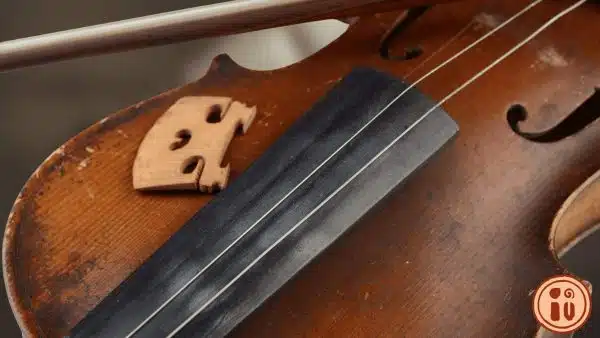
The bridge plays a vital role in transmitting the vibration of the strings into the body of the violin. A bridge that is too high, too low, or improperly shaped can affect string height, making the instrument uncomfortable or causing poor sound.

A luthier carves the bridge to precise dimensions, adapting it to each specific violin to ensure balance and clear tone.

Soundpost:
Sometimes called the “soul” of the violin, the soundpost sits inside the instrument beneath the treble side of the bridge. Its position and tightness dramatically influence tone, resonance, and projection.
A fine violin often benefits from precise soundpost adjustments performed by an experienced violin maker. Even minor movements can change how the instrument sounds across all registers.

Fingerboard:
A correctly planed fingerboard ensures smooth shifting and accurate intonation. Uneven surfaces can cause buzzing or hinder clean note production.

Professional setup includes checking the fingerboard’s curve and surface for proper shape and height.

Pegs and Pegbox:
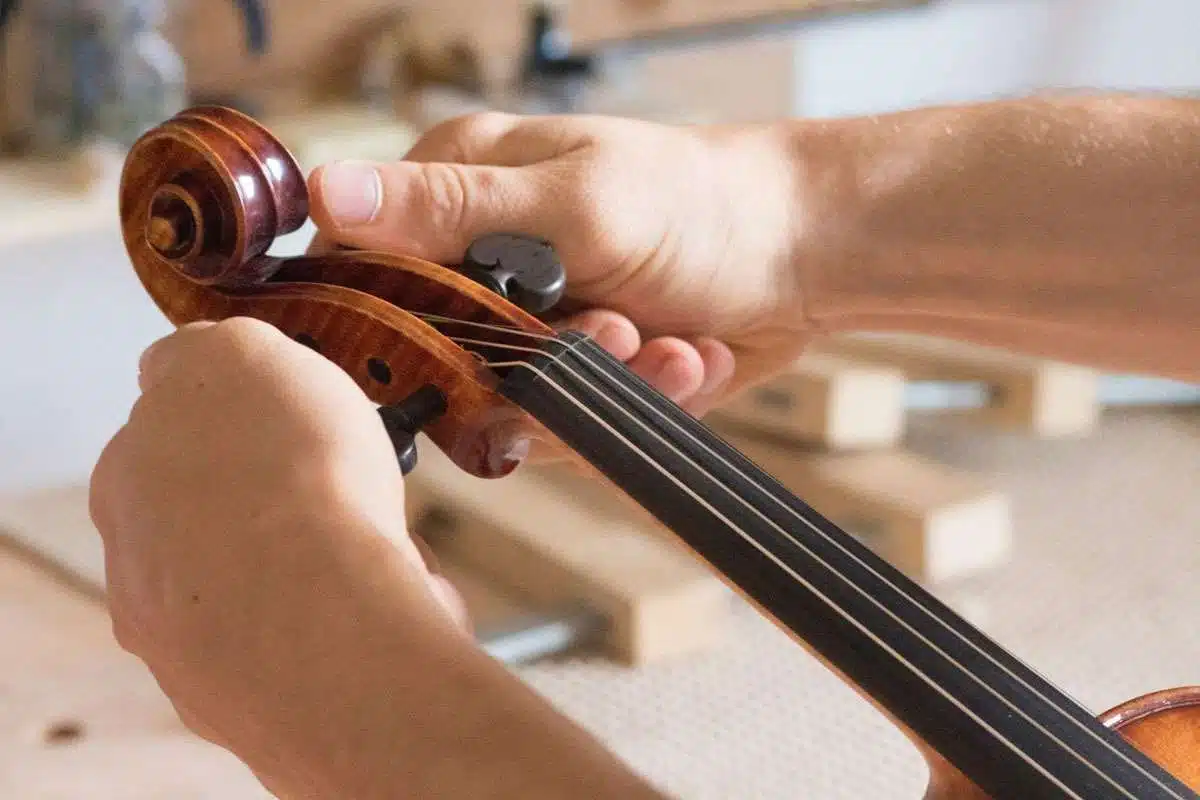
Pegs should turn smoothly while holding the string tension securely. Sticking or slipping pegs are common frustrations for players and can make tuning difficult.

Properly fitted pegs by a luthier can resolve tuning issues and make daily playing far more enjoyable.

Nut and Saddle:
These small parts help determine string height and spacing. If the nut is cut too high or too low, it can cause discomfort or buzzing. Precise shaping of the nut and saddle is essential for optimal playability.


Why Setup Matters
Even a fine violin cannot perform at its best without proper setup. The instrument’s tone, response, and comfort depend on how these components work together.

  • Sound Quality: A well-adjusted violin produces a richer, more balanced sound.
  • Comfort: Correct string height and fingerboard shape help prevent strain and fatigue.
  • Playability: Smooth tuning and proper string spacing make daily practice and performance more enjoyable.


If you want to understand what makes violins so valuable, setup quality is a major factor alongside craftsmanship and materials.
If you’re exploring violins for sale or considering an upgrade, a good setup can significantly influence the experience of trying different instruments.

Understanding how setup works and why it matters is essential beginner detailed guide on setting up a new violin covers all the basics you need to know.


When to Check Your Setup
Players should have their violin checked regularly, especially if they notice changes such as:

  • Buzzing sounds
  • Difficulty tuning
  • Changes in tone quality
  • Physical discomfort while playing

A violin shop or luthier can inspect your instrument and recommend necessary adjustments.
To find a luthier who understands both the traditional and modern approach to violin making and setup, learn more about us on our About page.


Conclusion:
A great sounding violin is the result of not only fine craftsmanship but also careful setup. Whether you’re playing a student instrument or a fine violin crafted by a skilled violin maker, investing in proper setup ensures that you’re experiencing the full potential of your instrument.

If you plan to buy a violin, remember that a professional setup is just as important as the violin itself. Visiting a violin store or working with a trusted luthier can help you achieve a setup tailored to your playing style, ensuring comfort and beautiful sound for years to come.

For an inspiring example of how craftsmanship and setup combine, see our violin inspired by G. Ornati.


How to Care for Your Violin

How to Care for Your Violin

cremona violin online

How to Care for Your Violin

How to Care for Your Violin

Owning a violin, whether it’s a student instrument or a fine violin crafted by a skilled violin maker, comes with the responsibility of proper care. For detailed advice on how to maintain your violin, you can check out our complete guide on tips for maintaining your violin, covering everything from daily cleaning to professional maintenance. Good maintenance not only preserves the appearance and structure of your instrument but also protects its unique sound quality. Whether you’ve just found a violin for sale or have played the same Italian violin for years, knowing how to look after it is vital.

Daily Cleaning and Handling
Your violin is a delicate instrument, sensitive to dust, sweat, and rosin build-up. After each practice session or performance:

  • Wipe the body and strings gently with a soft, dry cloth to remove rosin dust and fingerprints.
  • Avoid harsh cleaning products. Simple, dry cleaning helps maintain the varnish and prevents residue build-up.

In our FAQ section you will find useful tips on which materials and tools to use for daily cleaning, helpful both for beginners and experienced players.

When you visit a violin shop or violin store, you’ll often find soft microfiber cloths designed specifically for this purpose. A luthier can also recommend suitable cleaning methods for your particular violin’s varnish type.

Protecting Your Violin from Climate Changes
Violins are highly responsive to changes in temperature and humidity. This is especially true for older instruments, such as an Italian violin, where delicate woodwork can shift or crack under extreme conditions.

  • Keep your violin away from direct sunlight, radiators, or very cold environments.
  • Maintain moderate humidity (ideally around 40-60%). A case humidifier can help, especially during dry winter months.

Learn more about the importance of proper violin setup, which also helps protect the instrument from extreme climate variations.
Excess dryness can cause seams to open or wood to split, while high humidity may lead to swelling or mold.


Safe Storage Practices
Proper storage is crucial for protecting your instrument:

  • Always place your violin in its case when not in use.
  • Never leave it in a car, where temperature changes can be severe.
  • Ensure the violin sits securely in the case to prevent movement that might damage delicate parts.

A well-designed case, which you can find in any good violin store, offers protection against impacts and environmental changes.

String and Bow Maintenance
Strings are vital to your violin’s tone and playability. Over time, they wear out and lose their tonal qualities. Regular checks are important:

  • Replace strings every few months if you play frequently.
  • Look for signs of fraying, rust, or dullness in sound.

Similarly, bow hair gradually becomes worn and should be replaced periodically. A visit to a violin maker will help you determine the best time for rehairing.

Bridge and Peg Care
Your violin’s bridge and pegs need occasional attention:

  • Ensure the bridge stands straight and in a 90 degree angle on the top plate. If it is crooked over time however do not try to force it straight, instead consult a violin maker to enquire about a possible change of bridge.
  • Pegs should turn smoothly but hold their position firmly. If they become too tight or loose, a luthier can adjust or refit them.

These small details help maintain the instrument’s stability and tuning.
For more insights on caring for strings and bows, we also recommend this Strings Magazine article.

Professional Check-Ups
Even with careful daily care, periodic inspections by a qualified luthier are recommended. A professional can spot potential problems early, such as developing cracks, open seams, or structural weaknesses.

Conclusion
A fine violin, whether a new acquisition or a treasured antique, deserves consistent care to protect its value and beautiful sound. Simple routines, cleaning after playing, managing climate exposure, and seeking professional help when needed, can keep your instrument performing at its best for years to come.

If you want to learn more about our luthiers and the philosophy behind creating unique instruments, visit our About page.

If you’re visiting a violin shop or speaking with a violin maker, don’t hesitate to ask for personalized advice on caring for your instrument. Proper maintenance is not only about preserving your violin, it’s about honouring your music.

Is Your Old Violin Worth Repairing

Is Your Old Violin Worth Repairing?

cremona violin online

Is Your Old Violin Worth Repairing?

Is Your Old Violin Worth Repairing

Many musicians find themselves in possession of an old instrument, may a family heirloom, and wondering whether it’s worth investing in repairs. Perhaps it’s an inherited instrument, one discovered in a closet, or simply a violin that has been your companion for years. Deciding what to do next can be challenging in our FAQs we address many common doubts musicians face when dealing with old instruments. Visiting a workshop, or speaking with a skilled violin maker can help you understand the true condition and potential of your instrument.

Assessing the Condition of Your Violin

A good quality instrument can often be restored even after years of neglect, but some damage may be too severe or costly to justify repairs. Here are some factors to examine:

  • Cracks and Structural Damage: Small cracks, especially on the top plate, are common and usually repairable. However, significant structural damage, such as a cracked back plate or major deformation, may be more complex and costly to fix.
  • Neck and Fingerboard Issues: A broken neck is quite a big repair although possible, but costs can vary depending on the extent of the work needed. A worn down fingerboard is much easier to either reshape or replace.
  • Pegs, Bridge, and Setup: Worn pegs, a damaged bridge, or an outdated setup can be addressed by a luthier. These issues often have a noticeable impact on how the violin sounds and feels.
  • Seam Openings: Open seams where parts of the instrument separate slightly are common, especially in older violins do to temperature and humidity changes. These can usually be repaired without excessive expense.

Read more about why setup matters and how it impacts playability and sound.

Considering the Value and Sentiment

When deciding whether to repair your violin, think about both financial and personal value.

  • Monetary Value: Not every old violin is necessarily highly valuable. A violin maker or expert in a shop can help assess whether your instrument is worth significant investment.
  • Sentimental Value: Even instruments with modest market value may hold deep personal significance. In such cases, the decision to repair may be driven more by emotion than financial return.

On forums like Violinist.com, players often share stories of restoring old instruments that held deep family meaning, even when their market value was limited.

Sound Quality and Playability

Sometimes an old violin may look worn but still produce an excellent tone, or have the potential to sound beautiful after proper restoration.

If your violin has an appealing sound or the qualities of a good quality instrument, investing in repairs might be worthwhile, especially if it will save you from needing to buy a violin of similar quality. Testing the instrument, even in its current state, can help you judge whether it’s worth restoring.

Getting Professional Advice

Before deciding, it’s wise to take your violin to a trusted luthier or violin shop. Professionals can identify hidden problems, estimate repair costs, and advise whether repairs make economic and musical sense. They can also help you compare repair costs to the price of a similar violin for sale. For example, you may find that purchasing a contemporary violin offers better value than restoring a severely damaged instrument.

A skilled violin maker can offer insight into whether your instrument is a good candidate for restoration and what kind of sound and value you might expect afterward.

Balancing Costs and Benefits

Repairs range from minor adjustments to significant restoration projects. It’s important to weigh the estimated costs against the instrument’s potential value, whether monetary, musical, or sentimental.

If the cost of restoring your old violin is higher than purchasing a comparable instrument, you may decide to buy a violin instead.
If restoration seems excessive, browsing our main shop may help you explore alternatives in excellent condition.
However, if your violin has unique tonal qualities or personal significance, the investment in repairs might be justified.

Conclusion

Choosing whether to repair an old violin is a personal and practical decision. By consulting with a luthier or visiting a reputable violin shop, you can gain clarity about your instrument’s condition and future potential.
To understand how our work is deeply rooted in tradition and location, you can learn more about our quintet project Cinque Terre.
Whether it’s a fine instrument, a cherished family heirloom, or simply a violin you’ve grown attached to, careful evaluation ensures you make the best choice for your music and your budget.