


Exploring the Art of the Modern and Contemporary Violin
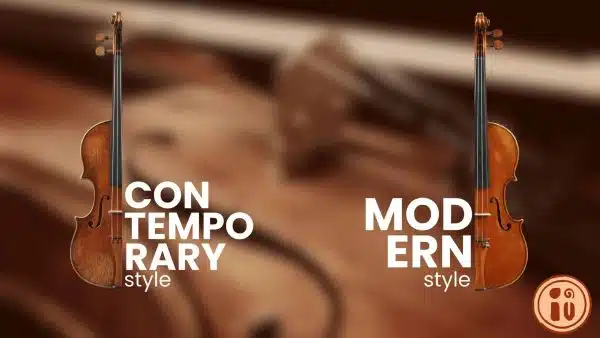
When you walk into a fine violin shop or browse a violin collection, you’ll often encounter instruments labeled modern and contemporary. Though sometimes used interchangeably, these terms point to distinct eras and philosophies in violin making — aspects every discerning violin maker or buyer will find fascinating when deciding to buy violin.
What does “modern violin” mean?
A modern violin refers to instruments crafted roughly between the late 19th century and mid20th century. These violins follow classical blueprints inspired by legendary Italian violin makers from Cremona — the cradle of violin tradition. You’ll find that their timber, varnish, and build firmly uphold centuriesold methods, only minimally refined with emerging technologies.
Luthiers such as Giuseppe Ornati represent the essence of this period, combining elegance, historical continuity, and precision. Read more about Giuseppe Ornati’s work.
Defining a “contemporary violin”
By contrast, contemporary violins, made by living makers invite innovation. Instrument makers experiment with design, materials, and acoustic properties. This approach aims to meet evolving demands, whether it’s louder projection, unique tonal colors, or personalized characteristics, while maintaining respect for tradition.
When visiting a violin maker or shop, you’ll discover that both modern and contemporary instruments bring something special:
- Modern instruments offer a timeless, balanced sound language built to classical standards.
- Contemporary violins might pair traditional craftsmanship with experimental tweaks, ideal for musicians wanting a signature timbre or projection suited to modern performance contexts.
Curious about what influences violin value beyond age? This article explores the key factors that determine quality and price.
Advantages of choosing a contemporary violin
- Craftsman connection You can interact with the violin maker directly, specify your preferences and receive personalized adjustments. Plus, future maintenance becomes seamless.
- Sound development These violins are built to improve with time, blending initial tonal clarity with evolving warmth, sometimes catching up with or surpassing much older Italian violins. ****
- Future value and resale Clear provenance and maker history means greater longevity in the marketplace.
Want to understand how these instruments are built? Follow the full process, from wood to varnishing, in our behind-the-scenes article
A few considerations before you buy
- Break in period Unlike centuries old violins, which are typically performance ready, newer instruments may require some time of playing to fully blossom.
- Tonal settling Initial setup visits over the first couple of months are common as the sound “opens up.” This is normal, not a fault in the instrument.
According to recent research, some contemporary violins may even project better than Strads, showing just how far modern luthiery has come.


