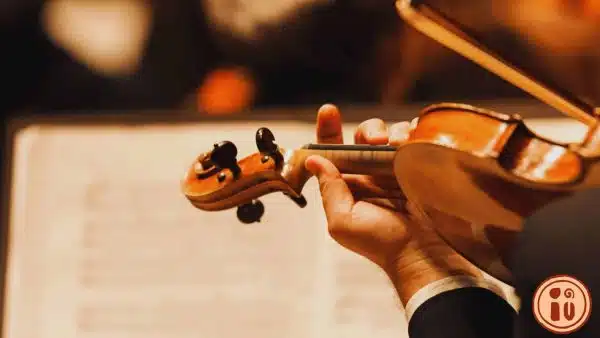
laura marzadori play iotti vibe violin

Trusted by the World’s Finest: Why Top Virtuosos Choose Our Instruments

cremona violin online

Trusted by the World’s Finest: Why Top Virtuosos Choose Our Instruments

laura marzadori play iotti vibe violin

When it comes to fine lutherie, true quality is measured not just by craftsmanship, but by the voices that bring an instrument to life on the world’s most prestigious stages.

Over the years, our workshop has earned an international reputation for crafting violins, violas, and cellos that meet the exacting standards of elite soloists, concertmasters, and orchestral leaders. From the sacred acoustics of Teatro alla Scala in Milan to prestigious international concert halls and historic institutions like the Museo del Violino, our instruments resonate in the hands of musicians who shape classical music today.

Here is a glimpse into why top-tier international artists place their trust, sound, and artistic vision in our lutherie.

Legendary Sound on Italy’s Grandest Stages: Teatro alla Scala

To perform at Teatro alla Scala requires an instrument capable of extraordinary projection, nuance, and rich tonal warmth. We are proud that key figures from this legendary orchestra play our instruments.

Laura MarzadoriConcertmaster, Teatro alla Scala

As one of the most prominent concertmasters of her generation, Laura Marzadori demands absolute brilliance, agility, and power from her instrument. Her trust in our workshop stands as a testament to the acoustic excellence and dynamic range of our violins.

🎥 Watch in Action: Click here to watch Laura Marzadori perform on our violin in this YouTube video

Alfredo PersichilliPrincipal Cellist, Teatro alla Scala

A cellist’s sound must balance deep, resonant bass with a singing, expressive high register. Alfredo Persichilli’s mastery on our cello showcases the depth of tone and effortless playability built into every instrument we make.

🎥 Watch in Action: Listen to Alfredo Persichilli bring out the rich, expressive tones of our cello on YouTube

Virtuosity & Expressive Power: Filarmonica Arturo Toscanini


he vibrant symphonic repertoire of the Filarmonica Arturo Toscanini demands instruments with immense tonal flexibility and immediate response.

  • Daniele Ruzza: As a leading violinist and concertmaster with La Toscanini, Daniele Ruzza requires an instrument with clear articulation and commanding projection. His endorsement reflects our commitment to crafting concert-ready violins for leading orchestra professionals.

  • Carmen Condur: Known for her emotive performances and precise technique, Carmen Condur chose our workshop to elevate her acoustic expression.

🎥 Watch in Action: Experience Carmen Condur’s captivating performance featuring our viola on YouTube

Global Recognition & Cultural Heritage

Our reputation as master luthier makers extends far beyond Italy, reaching top European orchestras and revered museum institutions.

Christopher ÖhmanViolist, Royal Stockholm Philharmonic Orchestra

A great viola must bridge the warmth of a cello with the agility of a violin—a challenging balance in modern lutherie. Having Christopher Öhman, prominent violist of the Kungliga Filharmonikerna (Royal Stockholm Philharmonic Orchestra), perform on our viola highlights our global reach and ability to satisfy international acoustic preferences.

Annika StauferViolinist & Museo del Violino Connection

Our deep roots in traditional Italian lutherie connect us closely to the world capital of violin making, Cremona. Working alongside distinguished musicians like Annika Staufer, whose work aligns with the heritage of the Museo del Violino, underscores our dedication to historical standards of beauty and acoustic mastery.

🎥 Watch in Action: See Annika Staufer demonstrate the exceptional sound quality of our instrument on YouTube

Why Elite Musicians Choose Our Workshop

When international soloists and orchestra leaders select an instrument, they look for specific traits that define fine modern lutherie:

  • Unrivaled Acoustic Projection: Designed to carry effortlessly across large, packed concert halls without losing warmth.

  • Ergonomic Playability: Tailored for comfortable, seamless performance during demanding soloist tours and long rehearsal schedules.

  • Timeless Italian Craftsmanship: Blending centuries-old Cremonese techniques with modern acoustic research.

  • Proven Investment & Heritage: Our instruments carry a growing history of prestige, making them valued assets for artists and collectors alike.

Find Your Signature Sound

Whether you are a seasoned soloist, an orchestral principal, or a passionate player seeking an instrument with international pedigree, our workshop invites you to test the acoustic perfection trusted by today’s musical icons.

Interested in trying one of our master instruments?

Contact our workshop today to book a private trial or consultation.

Parma violin-making tradition

Parma violin making tradition

cremona violin online

The Soul of Parma: A Century of Excellence in Italian Violin Making

Parma violin-making tradition
While Cremona often captures the global spotlight, the city of Parma holds a unique and arguably more specialized position in the history of 20th-century Italian lutherie. For the discerning musician, a “Parma Violin” represents a specific blend of aristocratic elegance and acoustic innovation. At Iotti & Vibe, our workshop is deeply rooted in this local heritage, carrying forward a tradition that transformed Parma into a global capital of string instrument excellence.

The Sgarabotto Era: Founding the Modern Parma Tradition

The modern identity of Parma’s lutherie began in 1926, when Gaetano Sgarabotto, a master of the Milanese and Vicentine schools, moved to the city. Along with his son Pietro Sgarabotto, they established a workshop that became the gold standard for craftsmanship in Italy.

The Sgarabotto lineage brought a refined, classical aesthetic to Parma. Their instruments were characterized by:

  • Architectural Balance: A perfect harmony between the scrolls and the body’s proportions.

  • Varnish Depth: The use of rich, transparent resins that highlight the natural flame of the maple.

  • Technical Rigor: A move away from the “rougher” regional styles toward a polished, international standard of excellence.


Renato Scrollavezza and the International School

The mid-20th century saw the Parma tradition evolve under the guidance of Renato Scrollavezza. By founding the International School of Violin Making in Parma, Scrollavezza institutionalized a “pure” aesthetic.

The Parma style became synonymous with artistic research. Instruments from this school are prized by collectors for their clean lines and the absence of “distracting” eccentricities. This academic approach ensures that a Parma-made violin maintains a timeless, classical look that resists the changing fashions of the market—a key factor for long-term asset stability.


The Collector’s Perspective: Why the Parma Style is a Premier Asset

In the 2026 global market, instruments from the Parma School are increasingly viewed as “blue-chip” investments. Several factors drive this trend:

  1. Limited Provenance: Unlike mass-produced regions, Parma has always favored quality over quantity, ensuring a controlled supply of authentic instruments.

  2. Visual Consistency: The rigorous training of the Parma School leads to instruments with a high degree of “connoisseur appeal”—they look as refined as they feel.

  3. Cultural Capital: Located in the city of Verdi and Toscanini, the lutherie of Parma is steeped in an environment of high culture, adding a layer of intangible value to every instrument.

Elegance as a Standard

At Iotti Vibe, we don’t just build instruments; we curate a visual experience. From the selection of the most beautifully flamed maple to the application of our signature modern varnish, we honor the Sgarabotto and Scrollavezza legacy of aesthetic perfection. Every violin in our gallery is designed to be as stunning in a collector’s display as it is in the hands of a master.

Acquire a masterpiece of the Parma tradition.

How to Choose the Right Violin for Your Budget and Goals

Choosing the Right Violin

cremona violin online

Choosing the Right Violin

Choosing the Right Violin

A Thoughtful Guide for Players at Any Level

Finding the right violin is an important decision, whether you’re a beginner seeking your first instrument or an experienced player looking to refine your sound. Stepping into a violin shop or consulting a luthier can feel daunting at first, given the many options and details involved. To better understand the process, you might find useful insights in our article on choosing a contemporary instrument. This guide aims to help you approach the process with clarity, drawing on fundamental principles to consider when you plan to buy a violin.


  1. The Qualities of a Fine Violin
    A fine violin stands out through careful craftsmanship, choice of materials, and thoughtful design. Elements such as the quality of the wood, the skill of the violin maker, and the varnish all contribute to the instrument’s sound and character. For those interested in the tradition behind fine instruments, you can learn more about our workshop and craftsmanship philosophy on our About page.

    For many musicians, the appeal of an Italian violin lies in its tradition of craftsmanship and tonal richness. Even though the beautiful appearance might speak of the quality of the handicrafts, tone, balance, and playability should remain the main priorities when choosing an instrument.
  2. Assessing Your Level and Needs
    When considering a violin for sale, reflect on your experience and musical goals. Beginners need an instrument that encourages good technique and produces a stable, pleasant sound. Intermediate and advanced players might seek more nuanced tonal qualities and greater responsiveness.

    Testing several instruments in a violin shop is essential. Notice how each violin feels under the bow and whether it speaks clearly across all strings. A suitable instrument should support your playing without requiring excessive effort.
    If you also play viola or cello, exploring our dedicated online viola shop and cello shop may be beneficial as well.

     
  3. Tone and Personal Taste
    No two violins sound exactly the same. Some produce a bright, projecting tone, while others offer warmth and depth. Your choice should reflect your musical preferences and the repertoire you play most often.
    For more practical advice on purchasing a violin, Violinist.com’s buying guide offers a comprehensive overview.

    Play familiar passages to evaluate how an instrument responds. Listen for clarity, balance, and how well the sound carries. The violin’s voice should feel like an extension of your own musical expression.


How Much Should You Spend on a Violin

How Much Should You Spend on a Violin?

cremona violin online

How Much Should You Spend on a Violin?

How Much Should You Spend on a Violin

Buying a violin is a meaningful step for any musician, whether you’re new to the instrument or looking to elevate your artistry. One of the biggest questions that comes up when speaking to a luthier is how much you should invest. Prices vary enormously, from modest student models to fine violins worth tens of thousands of euros. Understanding what drives those prices can help you make a choice that suits both your music and your budget.

Factors That Influence the Cost of a Violin
When exploring violins for sale, it helps to know why prices differ so widely:

  • Craftsmanship: The skill and reputation of the violin maker have a significant impact. A luthier who handcrafts each detail can produce instruments with exceptional tonal quality, which naturally cost more.
  • Materials: Higher-grade tonewoods and premium varnishes improve sound and longevity but increase the price.
  • Sound and Response: Fine violins often project better and offer more nuanced tone colours, appealing especially to advanced players.
  • Origin: A fine Italian violin, for instance, may command a higher price due to its heritage and traditional methods of construction.
  • Condition: Antique or restored violins often have added value but can also carry higher prices depending on their state of preservation.

If you’re curious about what makes a contemporary instrument valuable, this FAQ article offers a helpful breakdown of essential features to look for.

Entry-Level Violins
If you’re just starting out, an entry-level violin might cost anywhere from a few hundred euros up to about €1,500. These violins are often mass-produced but can still be good tools for learning proper technique. A reputable violin store or luthier can help ensure your instrument is properly set up and comfortable to play.

For an overview of violin costs across different levels, you may find this external guide on how much a good violin costs helpful.

Intermediate Instruments
For players who have some experience and are looking to improve their sound, intermediate violins typically range from €1,500 to €10,000.

These instruments often feature better craftsmanship and materials than basic student models. They provide improved tonal range and responsiveness, qualities that help keep musicians inspired as their skills advance.

Advanced and Professional Violins
Professional musicians, or dedicated amateurs seeking top-quality sound and playability, often look at fine violins starting around €10,000 and stretching upwards of €30,000 or more.

These instruments are often handmade by skilled violin makers, with meticulous attention to detail. Many musicians choose an Italian violin or another high-end instrument for the richness of tone, depth of colour, and powerful projection these violins provide.

You can also browse our main shop section to explore some options tailored to different experience levels.

Tips for Buying a Violin
When you’re ready to buy a violin, whether you’re searching for a fine violin or exploring more affordable options, keep these practical tips in mind:

  • Try Multiple Instruments: Even violins in the same price range can differ significantly in tone and feel.
  • Consult a Luthier: A skilled luthier can check setup quality and advise whether an instrument is worth the asking price.
  • Consider Accessories: Remember to budget for items like a bow, case, and ongoing maintenance.
  • Think Ahead: Spending a bit more now might save you from frequent upgrades later if you’re committed to progressing in your playing.
    You can also read our dedicated article on violin care and maintenance tips to protect your investment

Visit our homepage to learn more about our philosophy and our approach to high-level violin making.

Knowing how much to spend on a violin is ultimately about balancing your musical goals with your budget. Whether you’re considering an Italian violin, looking for a fine violin to advance your artistry, or seeking a reliable student instrument, exploring different options at a violin shop and speaking with knowledgeable experts can help guide you toward the right choice for your musical journey.


What Makes Violins So Valuable

What Makes Violins So Valuable?

cremona violin online

What Makes Violins So Valuable?

What Makes Violins So Valuable

A Closer Look at Cost and Craftsmanship

Many musicians, whether beginners or seasoned performers, have at some point wondered why violins can carry such significant price tags. The answer lies in the complex blend of craftsmanship, materials, and artistry that goes into each instrument. Whether you’re browsing a violin shop, consulting a luthier, or considering a fine violin for sale, understanding these factors deeply can be aided by exploring the role of collectors in the world of fine instruments, who often influence market value and appreciation.

The Role of Craftsmanship
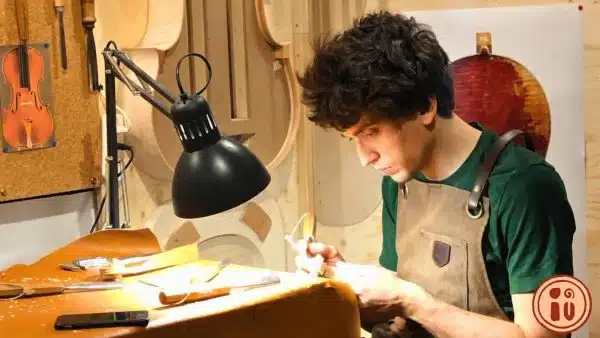
One of the main reasons violins can command high prices is the expertise and time invested by the violin maker. Each fine violin is shaped, carved, and finished largely by hand. From the careful selection of wood to varnishing techniques, the detailed process is well illustrated in our feature on making an instrument from wood to varnishing.

A fine Italian violin, or any violin built by hand, involves intricate work that affects tone, projection, and playability. Even subtle variations in the arching of the wood or the thickness of the plates can influence how a violin sounds. 
For example, our violin inspired by G.B. Guadagnini contemporary demonstrates modern interpretations of these classical techniques.

Quality of Materials
A significant portion of a violin’s cost is driven by the quality of materials used. Fine violins often feature spruce for the top and maple for the back, sides, and neck. The wood is carefully chosen for its density, grain, and resonance properties.

Certain trees grow in regions with specific climates that produce wood ideal for violin making. This wood is aged for several years, sometimes decades, to ensure stability and optimal tonal qualities. Such careful material selection contributes to the higher cost of a fine violin.

The Time Factor
Creating a fine violin is not a fast process. A violin maker may spend several months building a single instrument. This level of dedication, combined with years of training and experience, adds to the price. Discover more about the traditional and contemporary violin making process in our violin inspired by G.B. Guadagnini.


Acoustic Performance and Artistic Value
Beyond materials and labor, the sound of a violin plays a huge role in its price. Fine violins are prized for their tonal range, projection, and responsiveness. Musicians are often willing to invest more in an instrument that allows them greater expression and dynamic control.
Proper setup is also crucial for unlocking an instrument’s full potential, as explained in our guide on the importance of violin setup.

Additionally, a violin’s aesthetic qualities, such as the beauty of the varnish and the elegance of its shape, contribute to its value. For many players and collectors, a violin is not just an instrument but also a piece of art.

Rarity and Historical Significance
Historical violins, especially those crafted centuries ago by master luthiers, are often among the most expensive instruments in the world. Their scarcity, condition, and provenance drive prices into the millions.

An insightful article about why Stradivarius violins are so special and expensive offers context on this rarity and value.

While not every violin for sale reaches such figures, even modern fine violins can carry significant value due to their craftsmanship and the reputation of the violin maker. This is especially true for contemporary makers whose instruments are gaining recognition and appreciation.

What This Means for Buyers
For musicians considering buying a violin, understanding why violins are expensive can help in making a wise choice. Whether you’re exploring a violin shop, searching for an fine instrument by italian violin making tradition, or browsing our main shop, remember that the price reflects more than just the physical object, it encompasses skilled artistry, premium materials, and acoustic excellence.

When looking at violins for sale, take time to compare instruments, play them, and seek advice from a knowledgeable luthier. Investing in a quality violin can be a lasting decision that deeply influences your musical journey.

The World’s Most Expensive Violins

The World’s Most Expensive Violins

cremona violin online

The World’s Most Expensive Violins

The World’s Most Expensive Violins

What They Reveal About Ultimate Craftsmanship

While most musicians focus on finding a violin for sale that suits their needs, it’s fascinating to glimpse the top tier of fine violins. Recent auction results for historic Cremonese instruments remind us of the extraordinary value placed on exceptional craftsmanship. Though unlikely to appear in a typical violin store, understanding these masterpieces offers insight into what makes a truly remarkable violin.
If you’re curious about how modern violin makers are inspired by these legends, explore our Stradivari-inspired models and Guarneri del Gesù-inspired violins.

1. The “Messiah” Stradivari – ~€18.4 million

Crafted by the renowned Italian luthier Antonio Stradivari in 1716, the “Messiah” stands as one of the most celebrated violins in existence. Its pristine condition, nearly untouched since its creation, fuels its iconic status and astronomical valuation.
This iconic violin reflects the enduring mystique of Stradivari’s work—an influence still felt today in instruments like our Lilia model, built to echo the grace and refinement of that golden age.

2. The “Lady Blunt” Stradivari – €14.6 million

Built around 1716, this violin is famed for its well-preserved condition. Named after a member of British aristocracy, its sale highlights the premium placed on preservation as well as tonal excellence.

3. The Vieuxtemps Guarneri del Gesù – €14.5 million

From the workshop of the famed Italian violin maker Guarneri del Gesù, this instrument combines historical importance with outstanding responsiveness. Its sale underscores both artisanal mastery and musical prestige.
Instruments such as our Pincio violin capture the spirit of these historic masterpieces, bridging the past and present for modern players.

4. The “Da Vinci” exSeidel Stradivari – €14.1 million

Another masterpiece from Stradivari’s golden period (circa 1714), celebrated for its exceptional craftsmanship and concert-ready sound. Instruments from this era command high prices due to their balance of originality and performance quality.

5. The exKochanski Guarneri del Gesù – €9.2 million

Made in 1715, this violin is highly esteemed for its tonal depth and historical significance. Sold at auction in 2009, it was later gifted to a major museum collection.
Collectors continue to play a vital role in preserving the legacy of these violins—read more about the importance of collectors in the fine instrument world.

Why These Violins Command Such Prices

Masterful Craftsmanship

Handcrafted by legendary luthiers like Stradivari and Guarneri, these violins showcase exceptional control over wood selection, arching, varnish, and acoustic principles. Their work has shaped generations of violin makers.

Historic and Acoustic Legacy

These instruments date from the early 18th century, a period considered the golden age of violin making. Their preserved condition and renowned playability make them more than objects: they are living art.
External reference:
Stradivarius sold for over $23 million – Classic FM


Knowing When to Upgrade Your instrument

Knowing When to Upgrade Your instrument

cremona violin online

Knowing When to Upgrade Your instrument

Knowing When to Upgrade Your instrument

For many musicians, a time arrives when their current instrument no longer fully meets their evolving skills and artistic needs. Whether you’re practicing for exams, joining ensembles, or simply exploring new repertoire, recognizing when to upgrade your violin is an important part of musical growth. Visiting a violin shop, speaking with a luthier, or exploring violins for sale can be a meaningful step toward achieving the sound and playability you’re seeking.

Why Consider an Upgrade?

As your technique advances, you may discover your current violin has certain limits. Even a reliable student instrument can start to feel restrictive in tone, projection, or responsiveness.

A fine violin crafted by an experienced violin maker, often provides a richer, more nuanced sound. Upgrading to a higher-quality instrument can allow you to express more dynamic range, subtle phrasing, and tonal color in your playing.
We’ve written more about this process in our guide on choosing a contemporary instrument, where you’ll find key questions to ask and practical considerations for finding the right violin.

Signs It Might Be Time to Move Forward

If you’re unsure whether it’s time to buy a violin that better suits your abilities, consider these indicators:

  • Tone Limitations: Your violin’s sound might seem thin, one-dimensional, or lacking in projection, especially in larger spaces or ensembles.
  • Technical Growth: Advanced techniques like shifting, fast passages, or double stops may feel unnecessarily difficult because of the instrument’s limitations.
  • Desire for More Nuance: You may crave more tonal variety or response, feeling your current violin can’t fully reflect your interpretation of the music.
  • Audition Requirements: Higher-level exams, competitions, or professional opportunities often demand a certain quality of sound and presence that a basic instrument cannot provide.

It’s also important to consider whether your instrument setup is holding you back. A professional violin setup can significantly improve tone and playability without needing a new instrument.


1- Exploring New Options

If you’re considering an upgrade, take time to try several violins.

Work with a luthier or experienced professional who understands how to match a violin to your style and goals. They can guide you toward options that offer both improved sound and comfortable playability.
You can start by browsing high-quality examples like our violin inspired by Guadagnini or our model inspired by Ornati, both crafted with attention to tonal depth and player responsiveness.

This article discusses exactly when it’s the right moment to move to a better violin that matches your progress and musical goals.

2- Budget and Practical Considerations

Upgrading doesn’t necessarily mean choosing the most expensive instrument. While fine violins crafted by skilled violin makers can be significant investments, it’s important to find an instrument that offers genuine value and suits your musical needs.

Before making a decision, think about:

  • Your long-term musical plans
  • The tonal qualities you value most
  • How much you’re prepared to invest

A reputable violin maker or instrument shop can help you navigate these factors and ensure you’re selecting an instrument that aligns with your aspirations.
Feel free to explore a curated selection of our violins and cellos in the main Iotti Vibe shop.

3- Take Your Time

Choosing to buy a violin that represents a step forward in your musical journey should never feel rushed. Allow yourself the space to compare instruments thoughtfully, seek advice, and listen for the subtle qualities that inspire you to play your best.

Whether you’re searching for a fine violin, exploring an Italian violin’s unique character, or simply seeking a better fit for your current level, upgrading can be a rewarding milestone.
If you’re also considering a cello upgrade, take a look at our cello inspired by Guadagnini a favorite for its warmth and projection.
By approaching the process with care and guidance from skilled professionals, you’ll be well-positioned to find a violin that supports your continued growth as a musician.


Shipping Fine Instruments

What Should You Know About Shipping Fine Instruments?

cremona violin online

What Should You Know About Shipping Fine Instruments?

Shipping Fine Instruments

Why is shipping fine instruments so important?

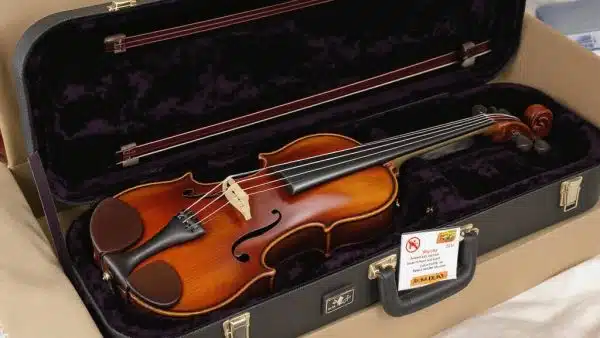
Shipping fine instruments such as violins, violas, and cellos requires, precision, and experience. When purchasing a high-quality string instrument, you’re not just investing in craftsmanship, but in a piece that needs to arrive safely. Here’s how that process works.

How do we ensure the safety of shipped instruments?

All our instruments are shipped free of charge, securely packaged to ensure protection during long-distance travel. Whether the instrument is crossing a country or an ocean, we use tried-and-true methods to cushion and stabilize each shipment. This means using custom made shipping boxes, and using climate-conscious materials when needed.

Is insurance included with shipments?

For added peace of mind, full insurance is included with every shipment. This ensures that, in the rare event of damage or loss during transit, you’re fully covered. Your investment is safe from the moment it leaves our hands until it arrives at your door.

What about customs duties for international shipments?

If you’re located outside the EU, it’s important to note that while shipping is still free, any local customs duties or import taxes are the responsibility of the recipient. These vary by country, so we always recommend checking local regulations before ordering.

How should musicians travel with their instruments?

Safe instrument travel doesn’t end with shipping, musicians often travel with their instruments, and doing so requires its own set of precautions. We invite you to explore our guide to traveling with your violin, where we share expert tips on airline policies, protective cases, and what to do in varying climates.

How do we guarantee your instrument arrives ready to inspire?

From our workshop to your home, every step is taken to ensure your instrument arrives in perfect condition, ready to inspire.

Discover our instrument collection here

How to choose a prefect violin

How to Choose the Perfect Violin: A Practical Guide for Aspiring Players

cremona violin online

How to Choose the Perfect Violin: A Practical Guide for Aspiring Players

How to choose a prefect violin

Starting Out: Renting vs. Buying for Beginners

Choosing your first violin, or upgrading later, requires a thoughtful strategy. For beginners, renting may seem practical, especially for still-growing children. However, rental instruments are often lower quality, frustrating to play, and potentially more expensive over time than you’d expect. After a year, you might have paid the full value of the instrument, with nothing to show for it. Some shops offer a partial credit toward purchase if you rent, but don’t take it for granted. For children, trading in undersized instruments as they grow is a safer and more cost‑effective solution than buying new sizes repeatedly.


Purchasing Your Final Violin

When you’re ready to buy a full‑size violin, working with a reputable dealer or specialist luthier is highly recommended. Going in with an experienced player or instrument maker gives you a better chance of selecting a well‑made violin. Online instrument shopping in the global age is not only an alternative but can be seen as a possibility to access instruments and makers you otherwise would never have had the chance to encounter. If you carefully express your desires and needs an expert luthier can customise your fine instrument just for you. Assess your bow, too and avoid trying new bows and violins at the same time, which can confuse you unnecessarily.


Your Judgment and Expert Support

Always enlist a teacher or musician friend to play or listen alongside you. Ultimately, however, the final choice is yours. Bring viable options to a trusted luthier for structural verification and maker identification. In short, whether you’re beginning your violin journey or stepping up to higher quality, planning, testing, and trusted advice are key. With care and insight, you’ll find an instrument that not only sounds beautiful, but feels right to you.

Contemporary String Instruments

What to Look for in a Contemporary String Instrument?

cremona violin online

What to Look for in a Contemporary String Instrument?

Contemporary String Instruments

What should you look for in a contemporary string instrument?

Choosing a fine modern instrument is not just about aesthetics, it’s about recognizing the harmony between craftsmanship, design, and acoustics. While a violin, viola, or cello may first captivate you with its outward beauty, its true quality is often found in the subtle details, where the maker’s skill and artistic intention come to life.

Why is the scroll important?

The scroll is one of the most telling features of a luthier’s work. Though it doesn’t affect the sound, its design reveals the maker’s artistic voice and technical control. Clean, flowing lines and balanced symmetry signal both confidence and precision. Whether mathematically inspired or shaped through instinct, a well-executed scroll speaks volumes about the instrument’s origin.

How do archings affect resonance?

The gentle curves of the top and back plates aren’t just a visual feature, they’re critical to the instrument’s tonal power. These archings govern how the wood vibrates and how sound is projected. When done right, they provide clarity and richness across all registers. Poorly shaped archings, by contrast, can stifle the voice of even the most beautifully made instrument.

What is the function of purfling?

A thin inlay running near the edge of the instrument, purfling is more than decoration. It helps prevent cracks from spreading and frames the instrument’s outline. Sharp corners, uniform width, and a clean, confident cut reveal a luthier who pays attention to structural integrity as much as visual appeal.

Why do f-holes matter?

F-holes may look ornamental, but they’re integral to the instrument’s acoustic function. Their placement, cut, and shape affect how sound escapes from the body. A skilled maker ensures symmetry and balance, both physically and sonically, lending the instrument a distinct personality and connection to tradition.

How does varnish influence beauty and function?

Finally, varnish is not simply a finishing touch. It’s a critical layer that enhances the wood’s natural flame while allowing it to resonate freely. Applied with care, varnish adds depth, warmth, and durability, subtly influencing both the instrument’s appearance and its sound.

What defines a fine contemporary instrument?

In short, a fine contemporary instrument is a union of visual elegance and acoustic precision, crafted not only to be admired but to be played and heard.
————–

Discover our violin, viola and cello collection here